Windows 11 Home vs Windows 11 Pro: here are the major differences – XDA Developers
Set up a new account on the XDA Developers Forums
Sign in to the XDA Developers Forums
Add swipe gestures to any Android, no root
Make your phone easier to use with one hand, no root
The best way to access XDA on your phone
A sweet, feature-filled launcher with a beautiful UX.
XDA’s official marketplace for buying and selling tech
Premium videos
As you may know, every major version of Windows comes in a few different editions. The same applies to Windows 11, which has mostly the same editions as Windows 10 aside from the upcoming Windows 11 SE for education. For most people though, it’s going to come down to Home and Pro. These are the two editions you’ll be able to find in stores or pre-installed on computers. If you’re looking for a comparison of Windows 11 Home vs Windows 11 Pro, we’ve rounded up all the major differences here.
Before anything else, the major difference between Windows 11 Home and Pro is pricing. If you want to buy a license by itself, the Windows 11 Home edition will cost $139.99, while Pro will cost $199.99. However, most laptops will just come with either one preinstalled. If you have Windows 11 Home and you want to upgrade to Pro, that will cost you $99.99. It’s also important to know that, for most people, Windows 11 Home will do pretty much anything you need it to do. As the name implies, the Pro edition is meant for professionals, usually people using their devices for work. There are some additional features on this front, but if you’re just buying a PC for personal use, Windows 11 Home is fine.
If you want to see the major feature differences at a glance, here’s a quick rundown:
The first big difference you’ll see between Windows 11 Home and Pro is when you’re setting it up for the first time. Windows 11 Home has a restriction that might be annoying for some — you need to set it up with an internet connection and a Microsoft account. At least, that’s the official way to do it, although you can trick Windows 11 Home into letting you set it up without a Microsoft account. You can also remove your Microsoft account from Windows 11 Home after the PC is set up, but Windows 11 Pro lets you simply set up your PC with a local account.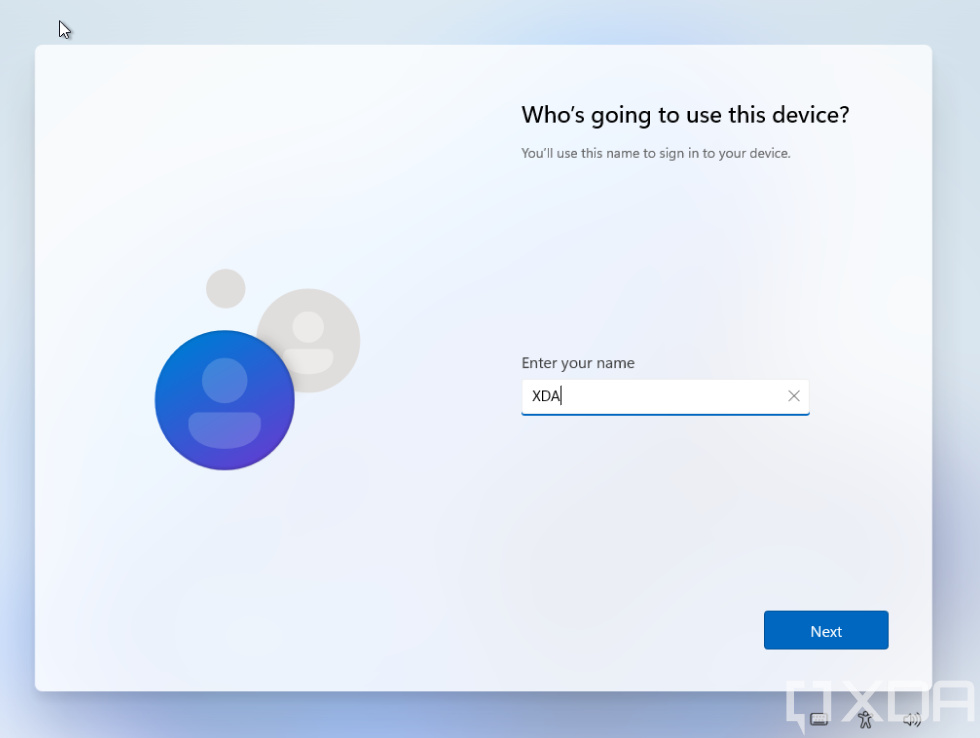
Another difference that will be noticeable for business users is that Windows 11 Home PCs can’t be joined to Active Directory. Active Directory solutions are necessary for managing business devices, such as configuring access to certain resources, deploying apps, and so on. That also includes Windows 11 features like Group Policy. Those are all professional tools, so they don’t make sense for most Windows 11 Home users.
The next major difference between Home and Pro editions of Windows 11 is support for virtualization features in Windows. Windows 11 Home doesn’t support Hyper-V or Windows Sandbox. Plus, while it can be used as a Remote Desktop client, it can’t be a host, so you can’t access a Windows 11 Home PC remotely using Microsoft Remote Desktop. However, you can use third-party tools like TeamViewer for similar purposes.
Meanwhile, Windows 11 Pro supports all of these features. Hyper-V is a virtualization tool built into Windows, which means you can create virtual machines with it. If you want to try a different operating system, or use an older version of Windows for some reason, you can do it using Hyper-V. Virtual machines don’t make changes to your host PC, so you can do it all risk-free. Again, there are third-party apps such as VMware Workstation Player that let you do this on Home editions.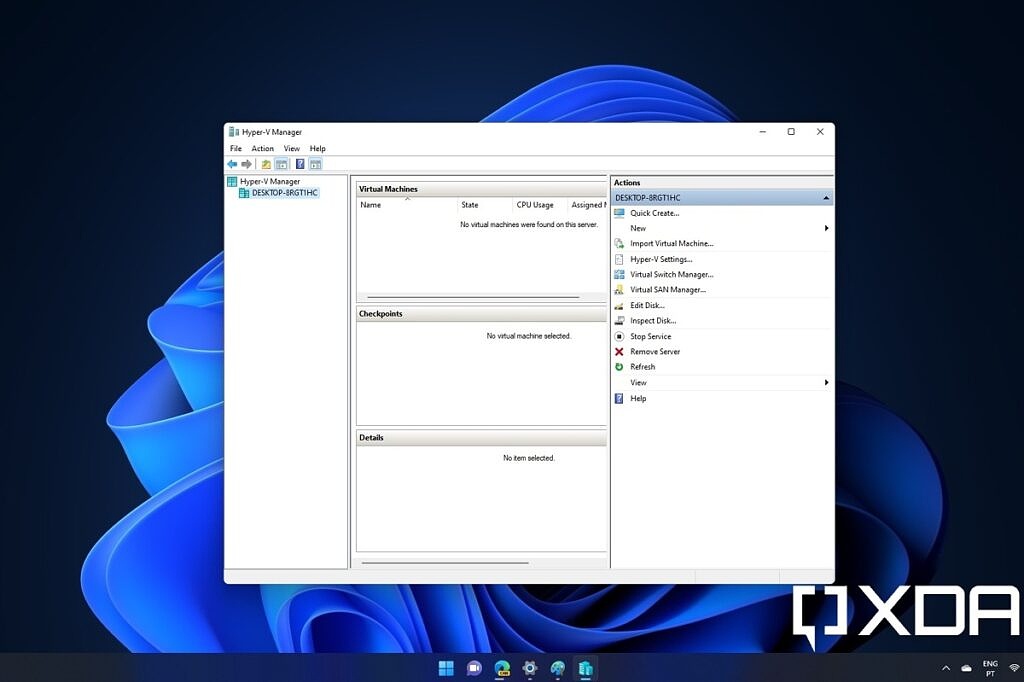
Windows Sandbox is an extension of this idea, but instead of running other operating systems, it just creates a clean copy of the OS you’re running. With Windows Sandbox, you can quickly install and try a potentially risky app and see if it’s dangerous before actually installing it on your machine. Windows Sandbox resets every time you open it, so it’s always a fresh start for testing.
As business users often deal with especially sensitive information, there are also some extra security features in Windows 11 Pro. First, there’s support for BitLocker encryption. This feature encrypts data stored on your hard drive so no one else can access it. Even if your computer is stolen, your files are protected from users other than yourself.
Windows 11 Pro also comes with Windows Information Protection, or WIP. This is a data loss prevention tool, which can help prevent data from leaking from within a company. Using WIP policies, companies can prevent users from forwarding content outside of the company, for example. Since it’s built right into Windows, WIP offers a more hassle-free experience compared to third-party solutions. WIP can also separate personal and business data on a device, so if the PC is lost or stolen, business data can be deleted remotely without affecting personal data on it.
Windows 11 Home and Pro share the same minimum system requirements, so they will mostly work on the same PCs. However, Windows 11 Home actually has different upper limits compared to Windows 11 Pro. For example, Windows 11 Home PCs can only have one CPU socket, and thus only one CPU. Similarly, Windows 11 Home only supports up to 64 CPU cores, while Windows 11 Pro can have up to 128.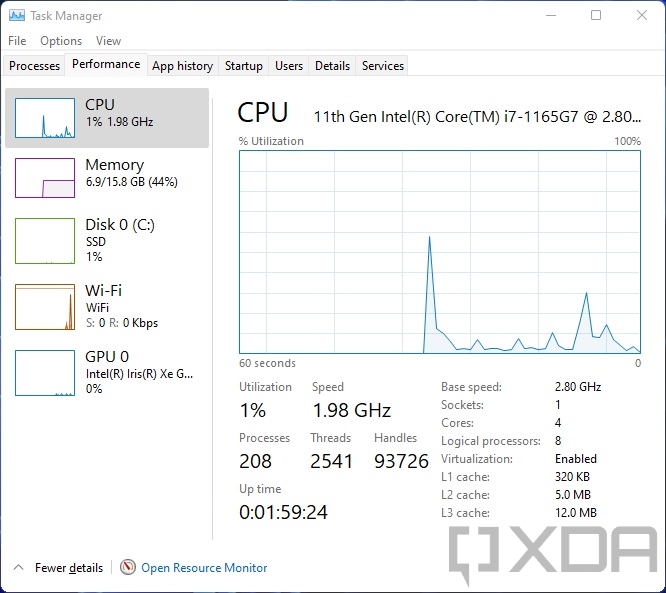
Windows 11 Home is also limited to “just” 128GB of RAM. Of course, that’s going to be enough for just about any regular user — even the most advanced gaming PCs don’t need this much RAM. However, Windows 11 Pro takes that up to 2TB, and that’s mostly going to be useful if you want to create lots of virtual machines with plenty of RAM assigned to them.
Of course, the bulk of the differences between Home and Pro editions of Windows 11 are for businesses. Most device management capabilities aren’t available in Windows 11 Home at all. Windows 11 Pro, however, supports things like Group Policy, which lets IT admins configure certain policies for groups of devices in one go. There’s also Windows Update for Business, which lets companies control how updates are rolled out to their users to avoid unexpected issues.
Features exclusive to Windows 11 Pro include:
In Windows 10, there was also the Microsoft Store for Business, but Windows 11 is going to use a different approach. Microsoft is actually retiring the Microsoft Store for Business altogether and replacing it with a new management experience. This new experience should still only work for Windows 11 Pro devices, though.
These are the core differences in Windows 11 Home vs Pro editions. As we’ve mentioned, most of them revolve around features meant for business users. Some are designed to protect especially sensitive information, while others have to do with quickly setting up devices for users and managing them remotely. For the average person walking into a store, you’re probably going to be just fine with Windows 11 Home. The odds are if you need Windows 11 Pro, you already know you need it and why.
If you have a PC with Windows 11 Home and you need Pro though, you can always upgrade. Check out our guide on upgrading to Windows 11 Pro if you need any help. If you’re curious about what’s new in Windows 11, check out our update tracker to know all about the latest updates.
XDA » Tutorials »
Writer at XDA Computing. I've been covering the world of technology since 2018, but I've loved the field for a lot longer. And I have a weird affinity for Nintendo videogames, which I'm always happy to talk about.
Receive the freshest Android & development news right in your inbox!
XDA Developers was founded by developers, for developers. It is now a valuable resource for people who want to make the most of their mobile devices, from customizing the look and feel to adding new functionality.
Are you a developer? | Terms of Service
This site is protected by reCAPTCHA and the Google Privacy Policy and Terms of Service apply.
Copyright © XDA